Notice: Function _load_textdomain_just_in_time was called incorrectly. Translation loading for the duplicator domain was triggered too early. This is usually an indicator for some code in the plugin or theme running too early. Translations should be loaded at the init action or later. Please see Debugging in WordPress for more information. (This message was added in version 6.7.0.) in /home/ovfyyapv/public_html/wp-includes/functions.php on line 6170

Notice: Function _load_textdomain_just_in_time was called incorrectly. Translation loading for the woocommerce domain was triggered too early. This is usually an indicator for some code in the plugin or theme running too early. Translations should be loaded at the init action or later. Please see Debugging in WordPress for more information. (This message was added in version 6.7.0.) in /home/ovfyyapv/public_html/wp-includes/functions.php on line 6170
Building Glass – Greenbrick

Construction Glass

Glass is one of the most fascinating and transformative materials in today’s world of architecture. Ever since humans were able to produce glass in flat, transparent sheets, this material has gradually found its place in building structures and has now become an inseparable element of both interior and exterior design.

In contemporary architecture, glass is used not only as a material for windows but also as a structural and aesthetic element—from building facades and skylight roofs to interior partitions, glass railings, and even transparent floors.

The main advantage of glass is the combination of function and beauty. This material blurs the boundary between indoor and outdoor spaces, and by allowing natural light to pass through, it makes life brighter and healthier. The presence of glass in design also conveys a sense of lightness, purity, and modernity to the building.

In a world where sustainability and energy efficiency are increasingly important, modern technologies have enabled glass to go beyond its transparent appearance; insulating, smart, and reflective glasses now play a key role in reducing energy consumption and controlling heat.

For this reason, glass is no longer just a covering to see outside, but rather a symbol of the interaction between technology, design, and sustainable living.

Purchase and Price of Various Construction Glasses

To view the price and calculate the required quantity, click on the desired product.


Examples of projects executed with construction glass:

Advantages of construction glass:

Types of construction glass and their applications

Construction glass is not just a transparent product; it is a world of variety in type, performance, thickness, clarity, and even color. Each type of glass, based on its physical and visual properties, is used in a specific part of the building. Below, we review the most important types of construction glass and their applications:


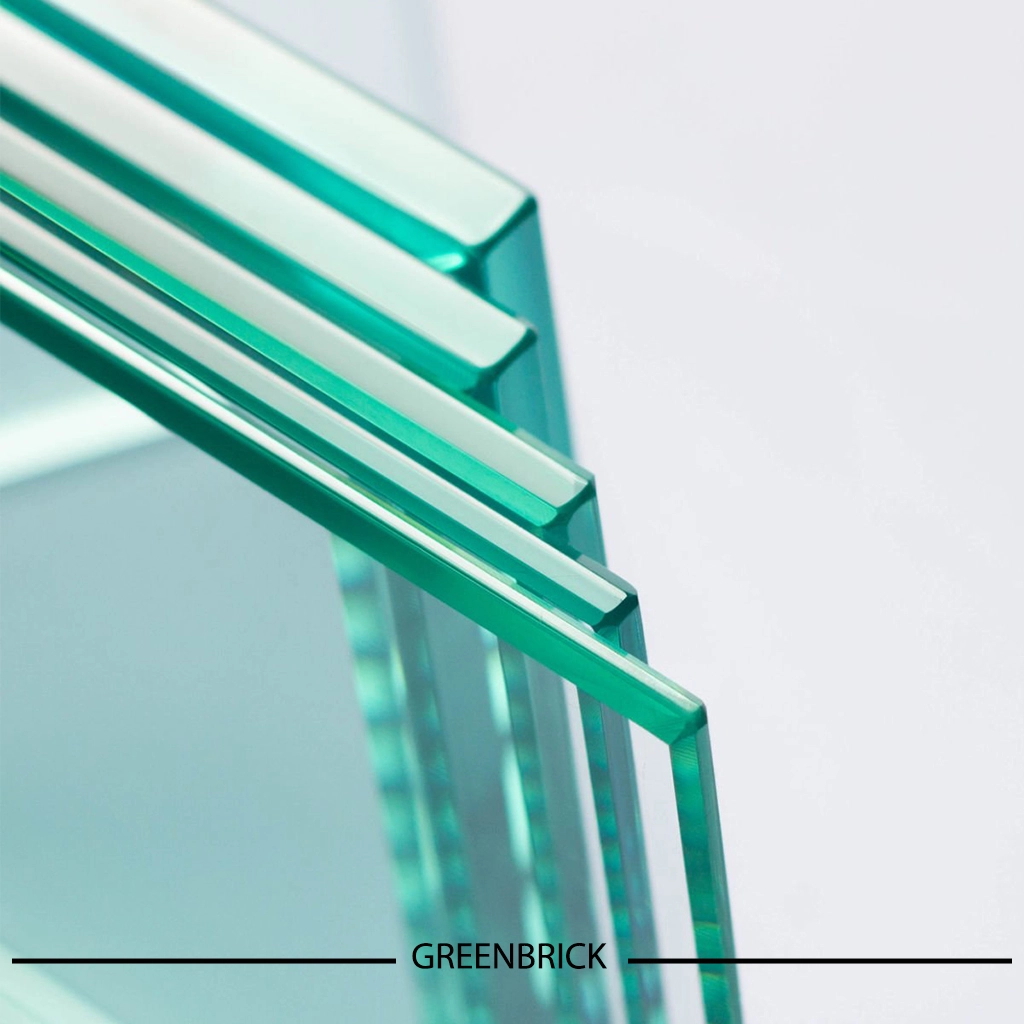
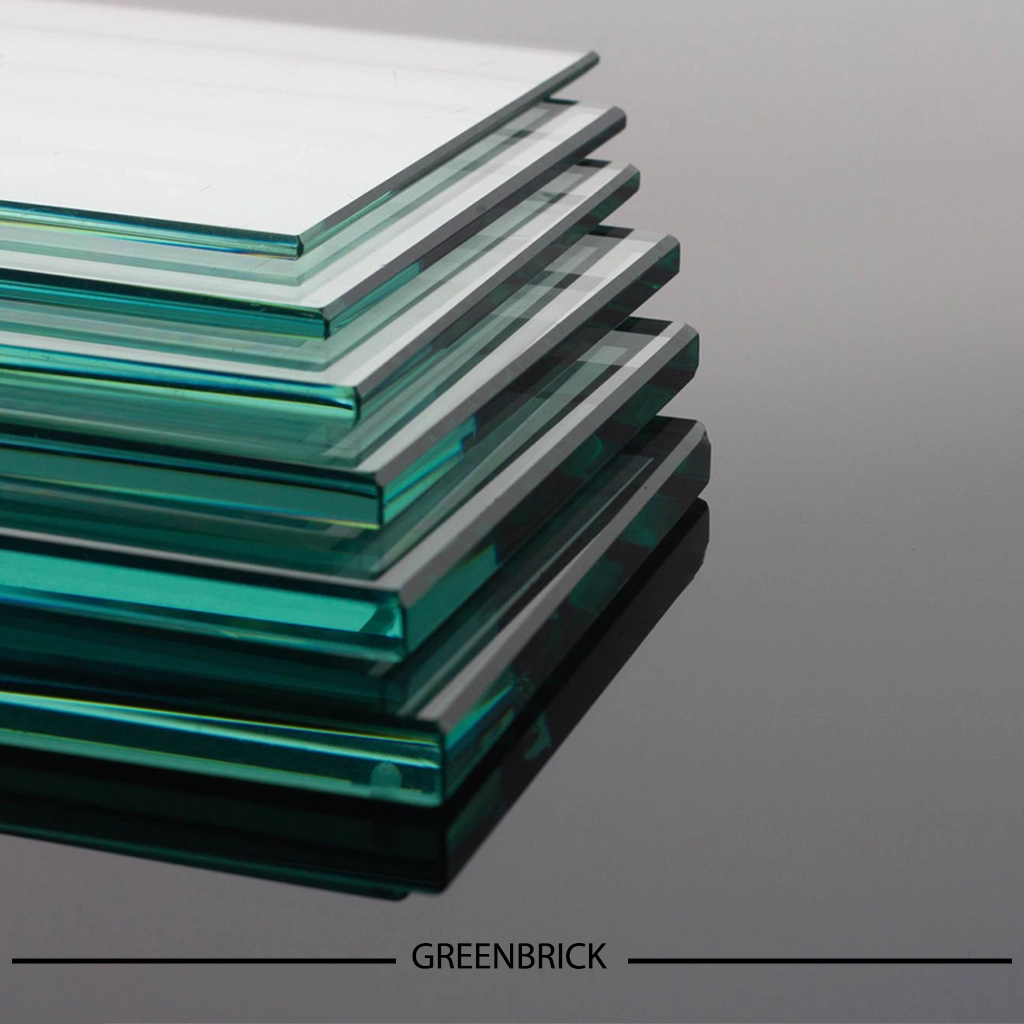
1. Float Glass (Plain Glass)

The most common type of construction glass, produced by floating molten glass over a bed of molten metal (usually tin) to create a perfectly flat and uniform surface.

Features: High transparency, smooth surface, affordable price

Applications: Windows, interior doors, glass frames, and general uses


2. Tempered Glass

This glass is heated and then rapidly cooled, making it several times stronger than ordinary glass.

Features: Much higher impact resistance, thermal shock resistance, and safe breakage (crumbles into small, non‑sharp particles)

Applications: Glass doors and walls, glass railings and balustrades, elevator cabins, bathrooms, and shop windows


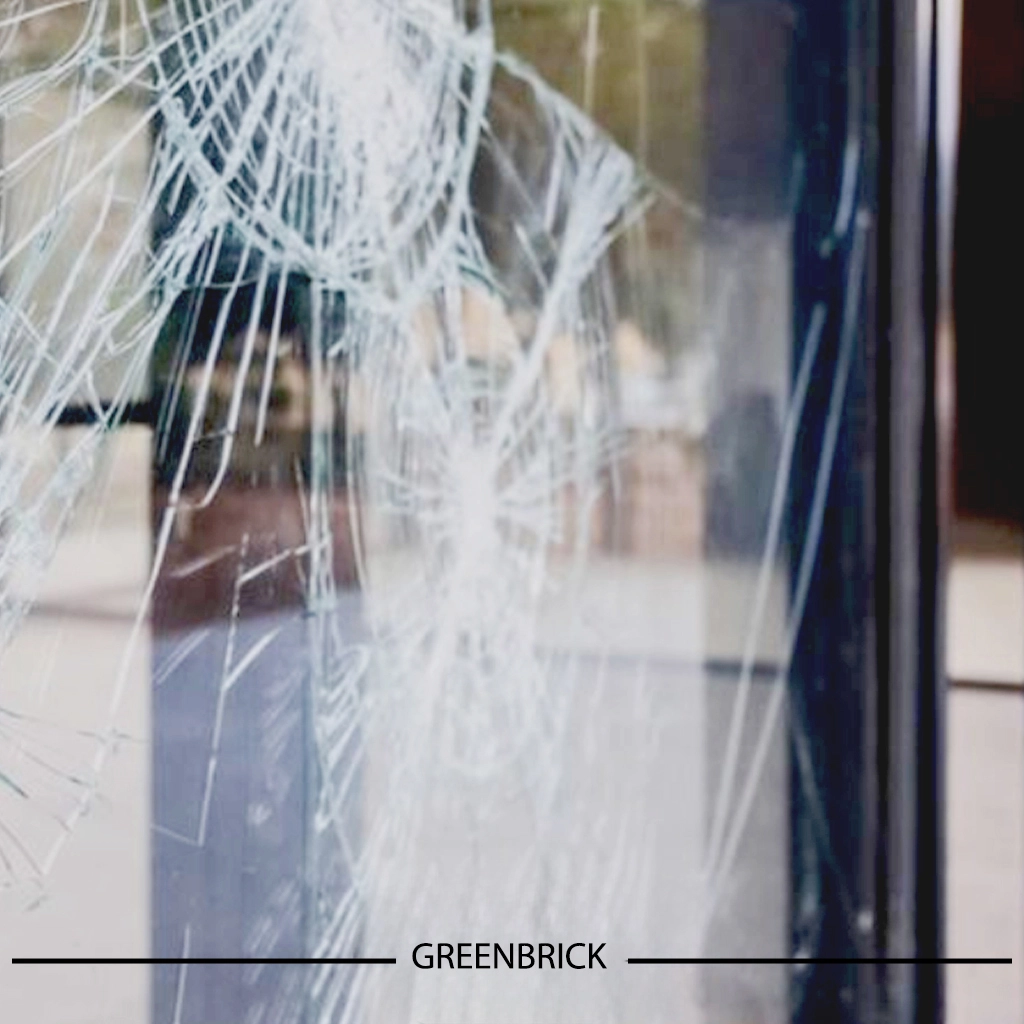
3. Laminated Glass

Made of two or more glass layers with a plastic interlayer (usually PVB or EVA).

Features: High safety, prevents shattering upon breakage, good sound insulation

Applications: Building exteriors, glass roofs, car windows, and high‑traffic areas


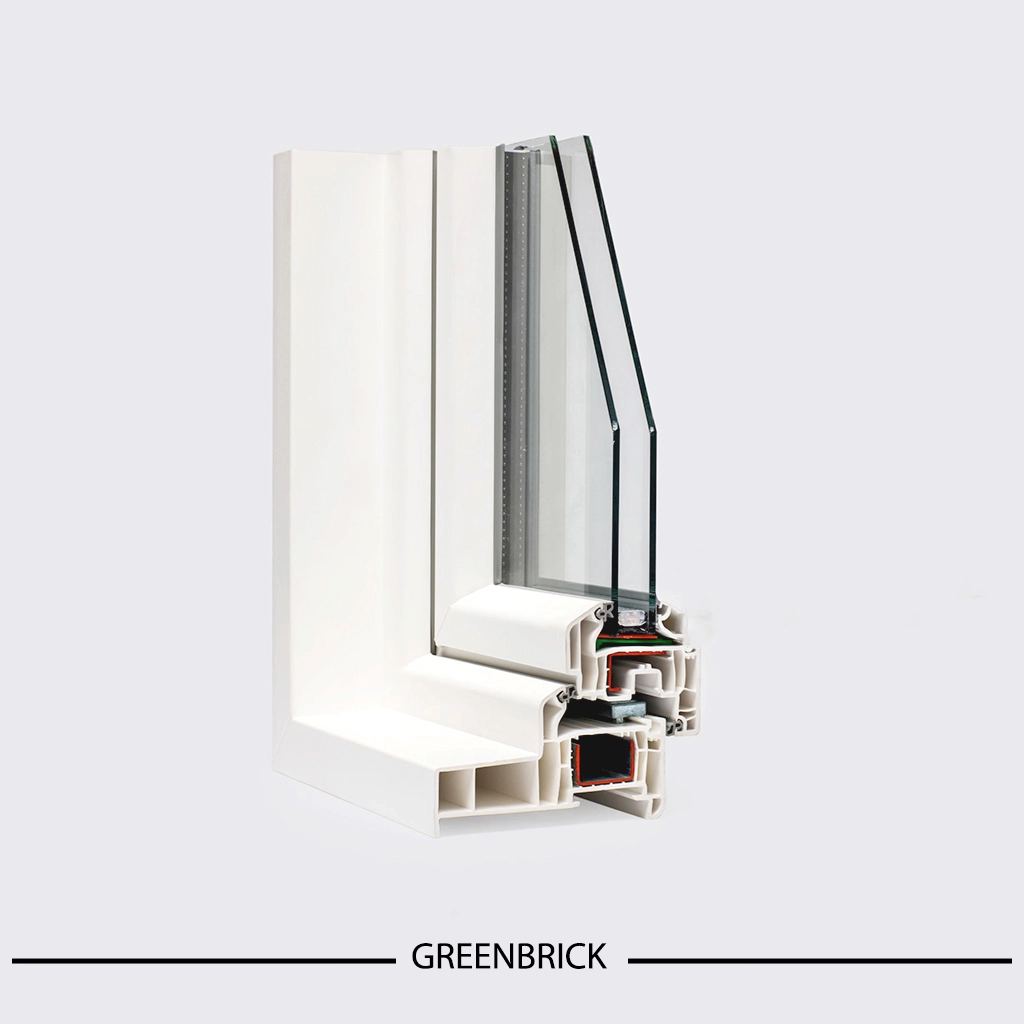
4. Double‑Glazed and Multi‑Glazed Glass

A type of composite glass made of two or more glass layers with a gap (filled with air or argon gas) between them.

Features: Excellent thermal and acoustic insulation, reduced energy consumption

Applications: Windows of residential, office, and commercial buildings to increase energy efficiency


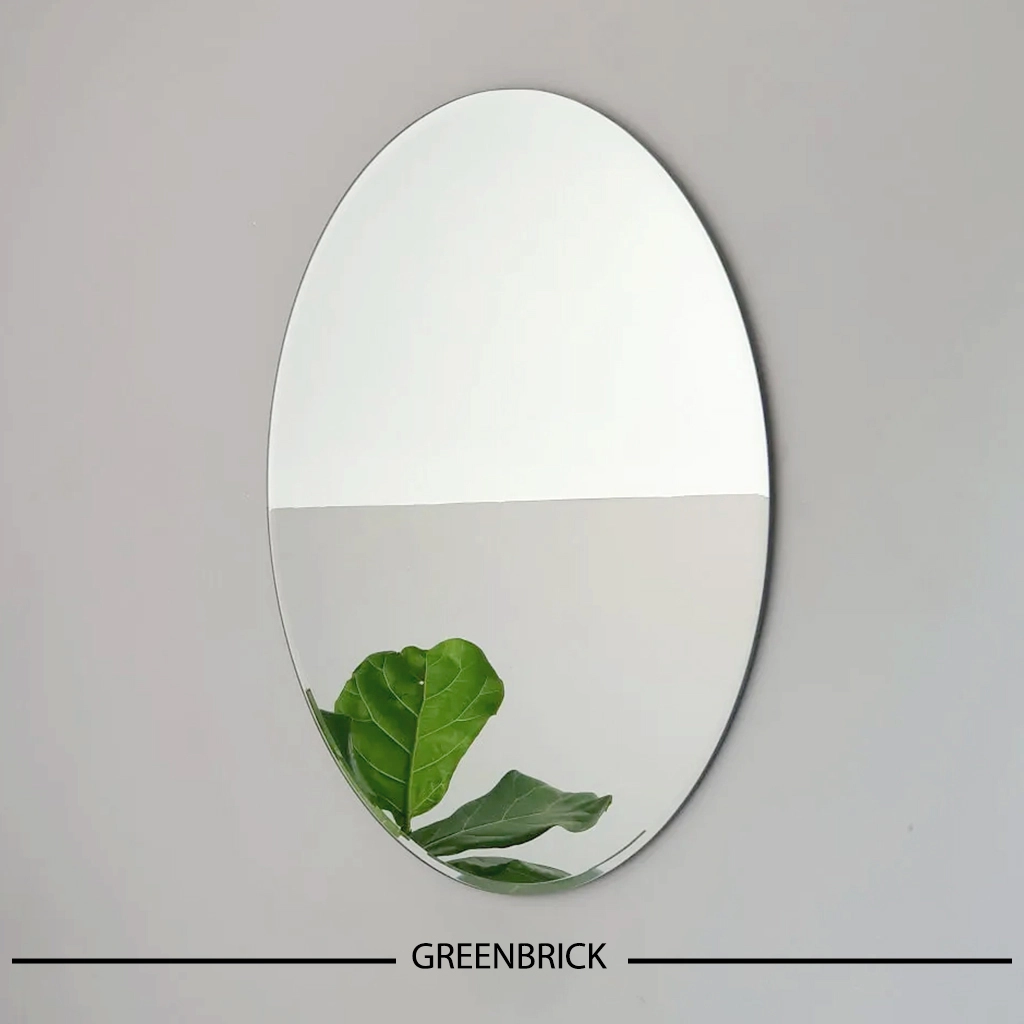
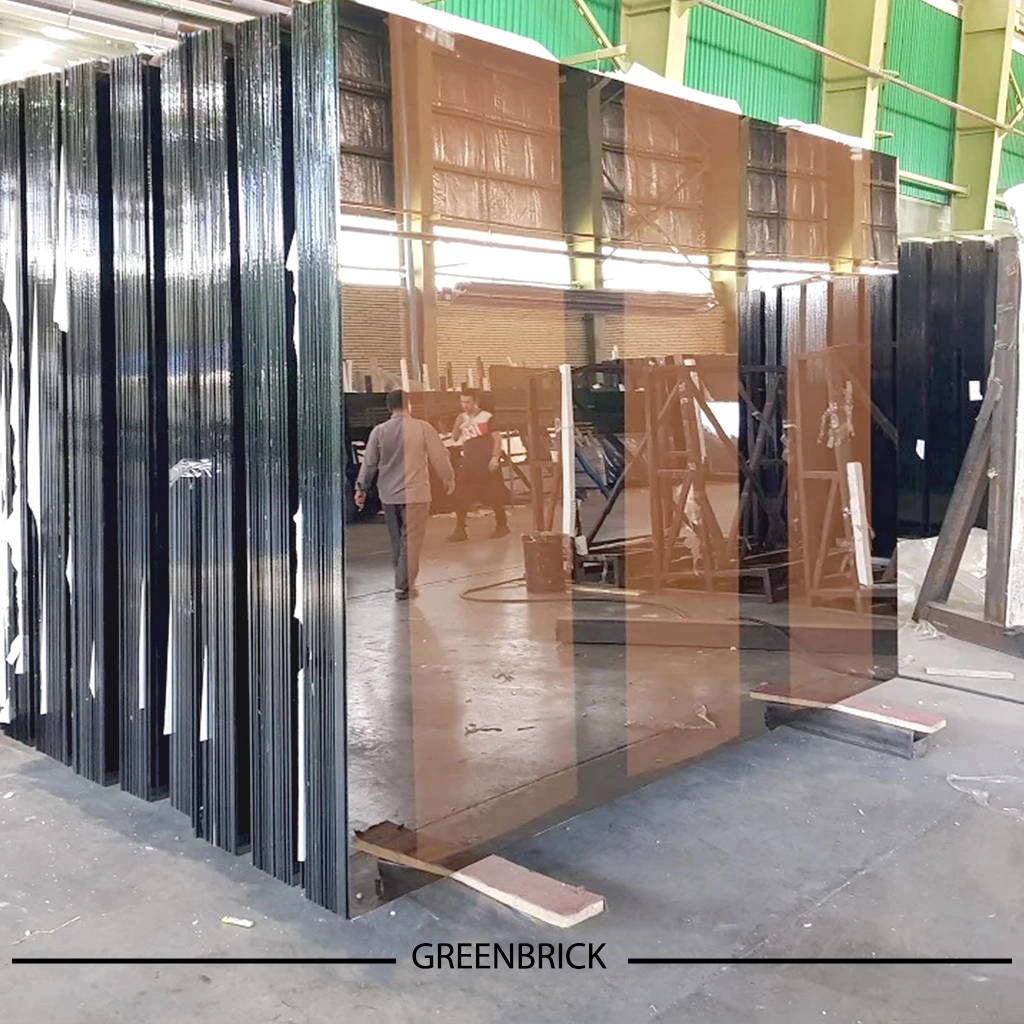
5. Reflective Glass

The surface of this glass is coated with a metallic or oxide layer to reflect part of the sun's light and heat.

Features: Indoor temperature control, daytime privacy, modern appearance

Applications: Building and tower facades, especially in hot and sunny regions


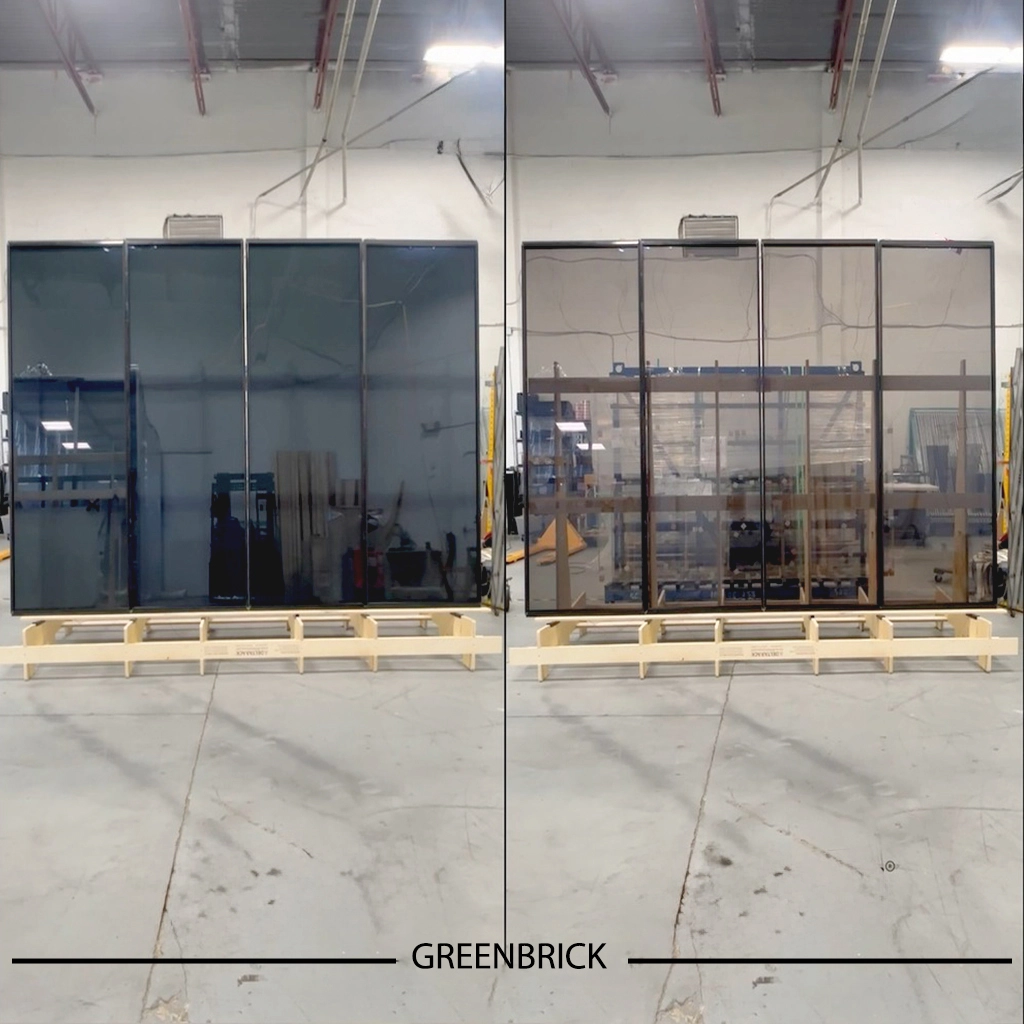
6. Smart Glass

An advanced technology where the transparency or opacity of the glass is adjusted with an electric current or remote control.

Features: Instant switching between transparent and opaque, energy savings, dynamic privacy

Applications: Modern offices, conference rooms, luxury villas, and smart buildings


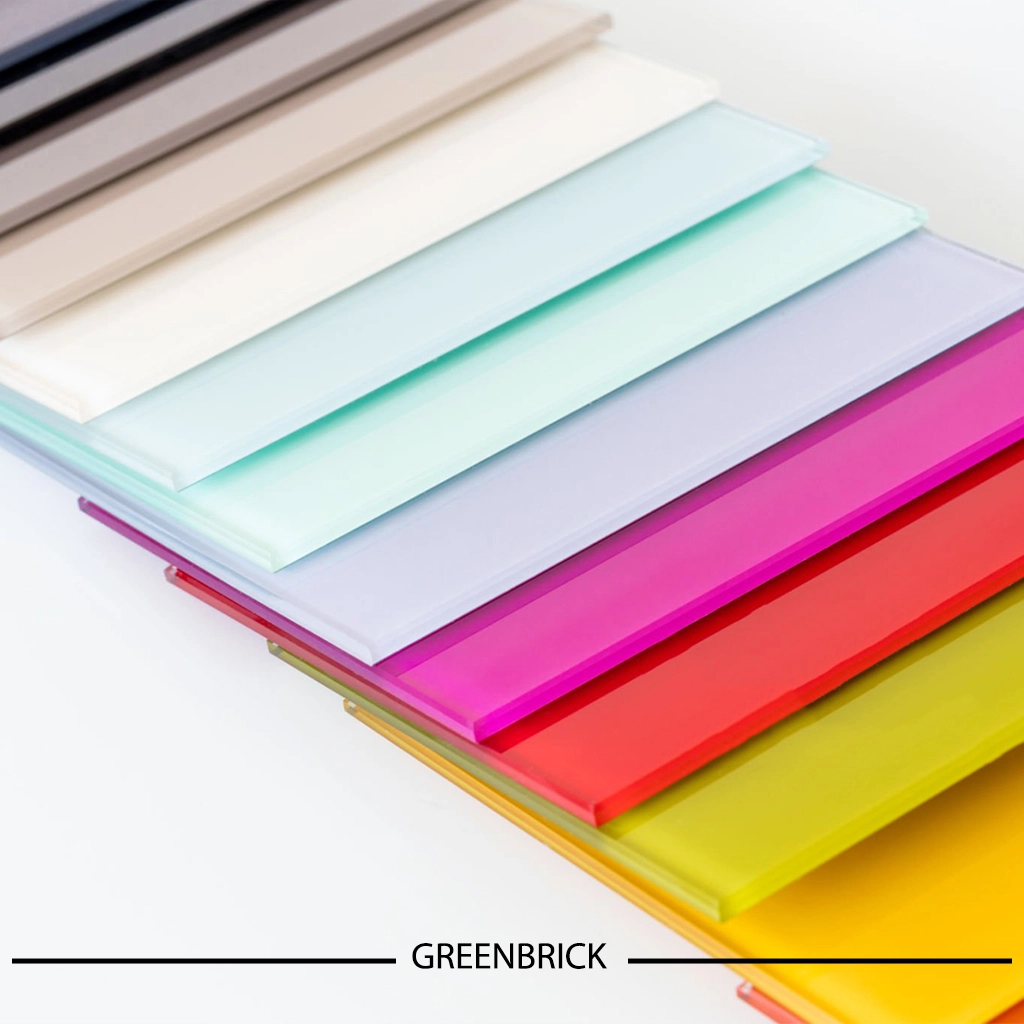
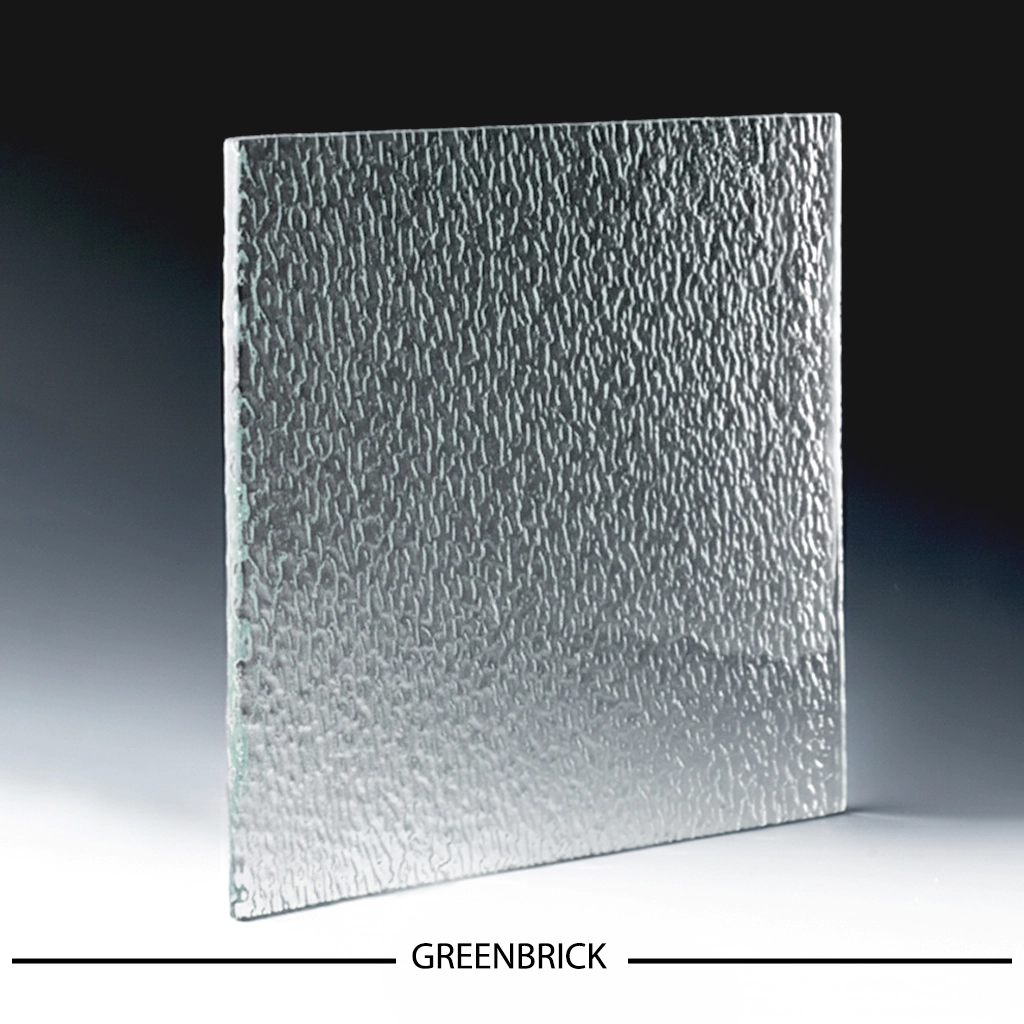
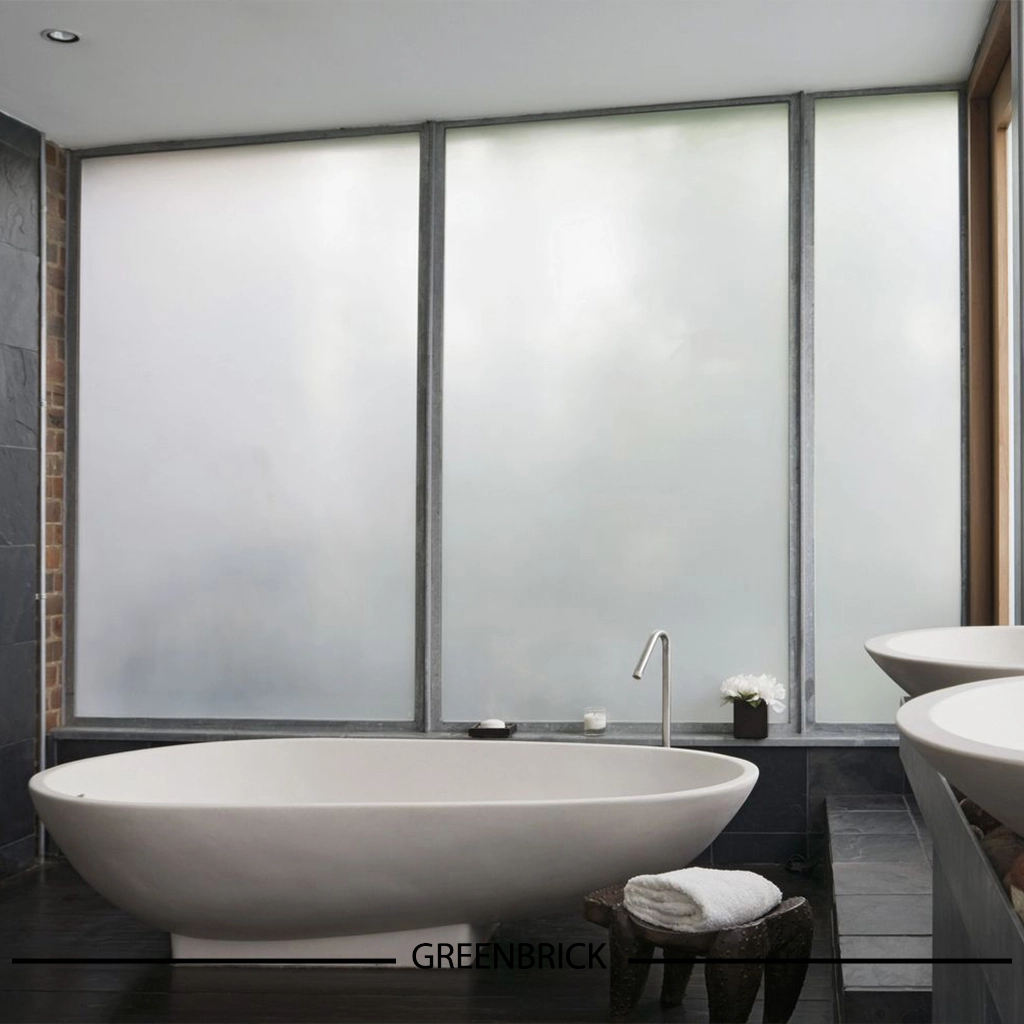
7. Patterned, Frosted, or Sandblasted Glass

These glasses allow light to pass through but limit direct visibility due to surface patterning or frosting.

Features: Visual appeal, view control, variety of patterns and designs

Applications: Restrooms, partitions, interior doors, and decorative uses

Key features and advantages of construction glass

Due to its unique properties, construction glass has earned a special place in architecture. Beyond aesthetics, this material brings a wide range of functional benefits that are highly valuable in modern design.


1. Transparency and Light Transmission:

The most prominent feature of glass is its ability to transmit natural light. This makes interior spaces brighter, more spacious, and more pleasant. Using glass in facades and windows reduces the need for artificial lighting during the day and helps save energy. Furthermore, natural light positively affects the mood and health of occupants.

2. Strength and Safety:

Modern glasses, especially tempered and laminated types, have high resistance to impact, pressure, and temperature changes. Tempered glass, when broken, crumbles into small, non‑sharp pieces, increasing safety. Laminated glass, with its interlayer, prevents the glass from falling upon breakage and blocks intruders or noise.

3. Thermal and Acoustic Insulation:

With technological advances, double‑glazed and multi‑glazed glass have become new standards in construction. By creating an air or gas gap between two or more glass panes, these glasses greatly reduce heat loss in winter and heat gain in summer. This leads to lower heating and cooling costs and a more comfortable environment. This structure also helps absorb sound and reduce noise pollution.

4. Aesthetics and Design Flexibility:

Glass is a highly flexible design material. It can be cut, bent, or patterned into various shapes, sizes, and colors. Its transparency, reflection, opacity, or even color‑changing ability gives architects and designers freedom to create modern, eye‑catching, and unique facades and interiors. Glass conveys a sense of lightness, cleanliness, and spaciousness.

5. Durability and Easy Maintenance:

Glass is a non‑porous material that resists moisture, chemicals, and environmental pollutants. Cleaning glass surfaces is generally easy and can be done with ordinary detergents. This allows glass to retain its original beauty and clarity for a long time without costly maintenance.

6. Environmental Friendliness:

Glass is a recyclable material, and its production process has a lower environmental impact compared to some other building materials. Using high‑quality, insulating glass helps reduce energy consumption in buildings, thus playing a positive role in environmental protection.

Production process of construction glass (brief overview)

The production process of construction glass is a complex combination of materials science, engineering, and precision to achieve a clear, strong, and uniform material. Although details vary by glass type, the main steps for float glass (the base for many other glasses) are as follows:


1. Raw Material Preparation:

The first step is accurately mixing the main raw materials: silica (sand), sodium carbonate (soda ash), and limestone. These are weighed and blended in specific proportions to form a homogeneous mixture called "batch". Other additives like feldspar, dolomite, or metal oxides are added to achieve specific properties (such as color or lowering the melting point).

2. Melting and Refining:

The batch is melted in special furnaces operating at very high temperatures (about 1500–1700°C). During this lengthy process, the raw materials convert into molten, clear glass. Air bubbles and impurities are removed as much as possible, resulting in refined glass.

3. Float Process:

This is the heart of flat glass production. The molten glass flows from the furnace into a wide bath of molten metal (usually tin). Due to density differences, the molten glass floats on the tin surface, and by gravity and surface tension, spreads uniformly in all directions, forming a perfectly flat layer of even thickness. The thickness is controlled by the exit speed and guiding rollers.

4. Annealing:

After leaving the tin bath, the glass still has high internal stresses. To reduce these stresses and prevent breakage, the glass is slowly passed through a special furnace called a "lehr". In this furnace, the temperature first rises slightly and then gradually decreases with precise control until the glass reaches room temperature. This step is vital for the strength and stability of the glass.

5. Cutting and Finishing:

After complete cooling, the float glass is cut into standard sizes. Then, depending on requirements, other operations such as cleaning, edge polishing, or sending to production lines for specialty glasses (tempered, laminated, or double‑glazed) may be performed.


This base process enables the production of high‑quality glass, which is then converted into various types of construction glass using other techniques.

Important tips for choosing the right construction glass

Choosing the right glass for any construction project is a key decision that affects aesthetics, safety, energy efficiency, and cost. Given the wide variety of construction glasses, considering the following tips will help you select the best option:


1. Consider the climate and geographic location:

  • Hot and sunny regions: Reflective glasses or Low‑E coated glasses that reflect heat help reduce the building's cooling load.
  • Cold regions: Double‑glazed or triple‑glazed glass with argon gas in the gap is the best choice to retain indoor heat and reduce energy loss.
  • Noisy areas: Laminated glass, due to its layered structure, provides better sound insulation than ordinary glass.

2. Prioritize safety and security:

  • High‑risk areas: In places like balconies, staircases, shop windows, or areas prone to impact, using tempered or laminated glass is essential. Laminated glass holds pieces in place upon breakage, providing greater safety.
  • Burglary protection: Bullet‑resistant glass or laminated glass with thicker interlayers offers high resistance to forced entry.

3. Pay attention to energy efficiency:

  • Reducing energy consumption: Double‑glazed and multi‑glazed glass significantly reduce thermal energy loss. Using gases like argon or krypton in the gap improves this insulation.
  • Controlling sunlight: Low‑E and reflective glasses can control the amount of visible light and UV radiation, preventing overheating and reducing the need for air conditioning.

4. Aesthetics and architectural design:

  • Appearance: The type of glass (clear, tinted, reflective, frosted) and its thickness directly affect the building's overall look. For modern facades, large, reflective, and tempered glasses are common.
  • Privacy: In areas like bathrooms, bedrooms, or interior partitions, frosted, patterned, or sandblasted glass provides privacy while maintaining light.
  • Specialty glasses: For luxury or creative projects, smart glass can switch states, enabling dynamic and multi‑functional spaces.

5. Glass thickness and dimensions:

  • Glass thickness must be chosen according to the size of the window or glass panel, the type of glass (plain, tempered, laminated), and the loads it will bear (such as wind or impact). Manufacturers usually provide guidelines for selecting appropriate thickness based on dimensions.

6. Budget and cost:

  • Float glass is the cheapest option, while specialty glasses like laminated, tempered, smart, and multi‑glazed with insulating gas are more expensive. Balance initial cost against long‑term benefits (such as energy savings and increased safety).

    Conclusion and future outlook of glass in architecture

    Glass has transformed from a merely transparent material to see outside into one of the main pillars of modern and sustainable architectural design. With technological advances and growing environmental awareness, the role of glass in the construction industry has evolved, and its future outlook is very bright and promising.


    Moving toward sustainable buildings and more open designs

    Contemporary architecture is increasingly moving toward more open spaces, more natural light, and a stronger visual connection between interior and exterior. Glass, with its ability to transmit light and create transparency, plays a key role in achieving these goals. Buildings with all‑glass facades, bright and spacious interiors, and a continuous connection with the surrounding environment are embodiments of this modern approach.

    This design style not only satisfies modern aesthetics but also, by increasing natural light, reduces the need for artificial lighting and improves occupant mood and well‑being. At the same time, advanced glasses allow control of heat and cold gain, preventing energy loss.


    The role of glass in energy saving and green design

    The concepts of "green design" and "sustainable building" are of great importance in architecture today. Glass, with its modern technologies, plays a central role in achieving these goals:

    • Smart and Low‑E glass: This generation of glass can significantly control the amount of solar light and heat entering. Low‑E glass, with an invisible coating, prevents heat from escaping in winter and entering in summer, greatly reducing heating and cooling energy consumption. Smart glass, with adjustable transparency, provides dynamic control of light and heat.
    • Double‑glazed and multi‑glazed glass: By creating a vacuum or filling the gap with insulating gases (like argon), these structures achieve high thermal resistance. This dramatically reduces energy loss through windows and minimizes the need for air conditioning systems.
    • Increasing natural light: Maximum use of sunlight through windows and glass facades not only reduces the need for artificial lighting but also, by reducing electricity consumption, helps lower carbon emissions and protect the environment.

    Future outlook:

    The future of glass in architecture promises even more innovations. We can expect to see glasses with new capabilities, including:

    • Self‑cleaning glass: Using nanotechnological coatings that break down dirt and are cleaned by rainwater.
    • Energy‑generating glass: Integrating thin‑film solar cells into the glass structure to produce clean energy.
    • Advanced color‑ and opacity‑changing glass: To create dynamic facades that respond to environmental conditions.
    • Bio‑reinforced glass: For greater sustainability and lower environmental impact.

    In summary, glass is no longer just a frame for a window; it is an active and intelligent material that plays an important role in shaping sustainable architecture, optimizing energy consumption, and improving the quality of living spaces. This dynamic material, with its ever‑increasing capabilities, will continue to inspire designers and architects to create modern, beautiful spaces in harmony with nature.

Frequently Asked Questions (FAQ)

Construction glass is one of the main materials in modern construction, used for lighting, aesthetics, visibility, and thermal/acoustic insulation in various parts of a building.
Glass is used in facades, windows, doors, interior partitions, glass floors, and roofs.

Common types of construction glass include:

  • Float Glass (Plain Glass)

  • Tempered Glass

  • Laminated Glass

  • Double‑Glazed and Triple‑Glazed Glass (Insulated Glass)

  • Reflective and Light‑Control Glass

  • Smart and Switchable Glass
    Each has specific applications in construction projects.

  • Tempered glass: Produced with high heat, it is 5 times stronger than ordinary glass. When broken, it crumbles into small, non‑sharp particles.

  • Laminated glass: Made of two or more glass layers with a PVB interlayer. If broken, the pieces remain adhered; it is much safer.

Double‑glazed glass, by creating a vacuum or argon gas gap between two glass layers, provides:

  • Stronger thermal and acoustic insulation

  • Reduced energy loss

  • Reduced condensation and fogging on the glass

  • Increased indoor thermal comfort

For exterior building facades, tempered, laminated, or reflective glass are usually used.
In addition to aesthetics, these glasses have high resistance to wind, impact, and temperature changes.

Yes, especially double‑glazed and laminated glasses can reduce ambient noise by up to 50%. For urban areas or near streets, these types of glass are recommended.

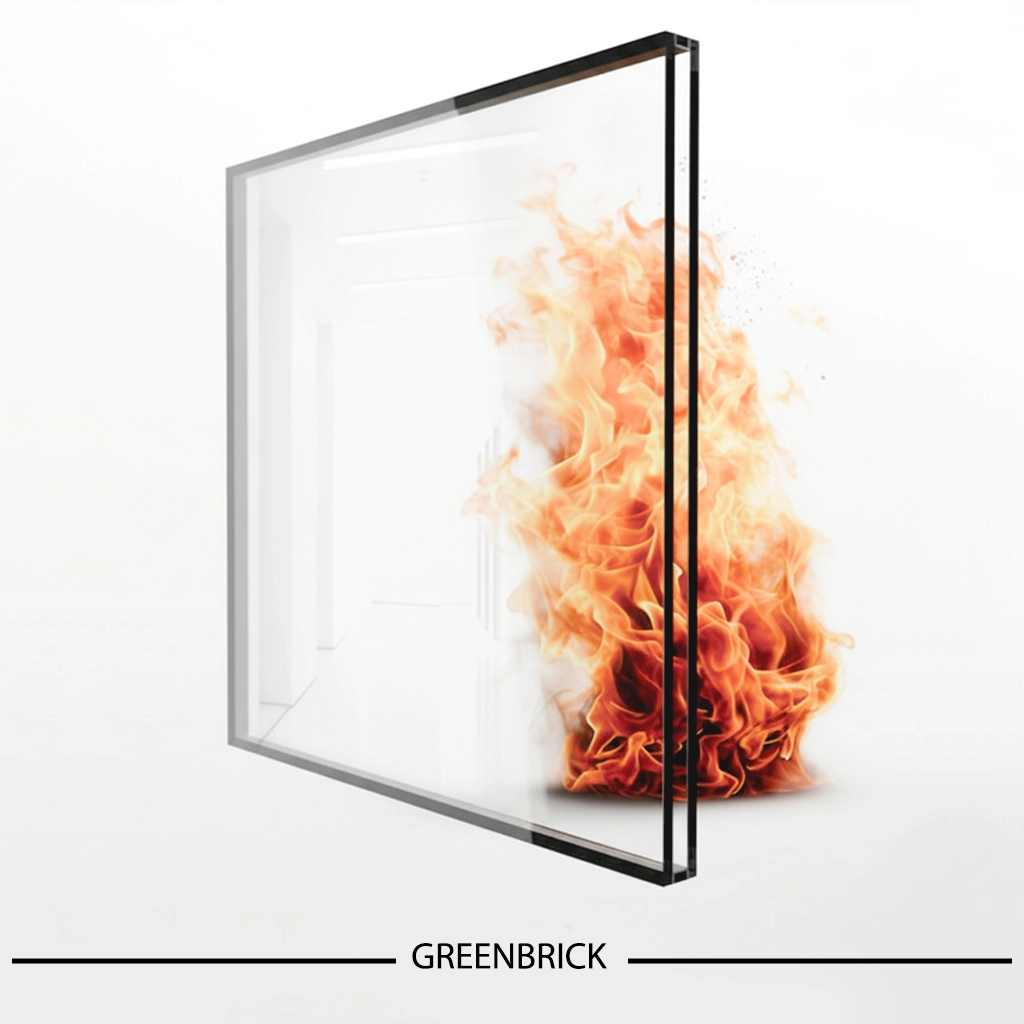
Ordinary glasses have low heat resistance, but tempered glass and fire‑resistant glass can withstand temperatures of 300 to 600°C.
In industrial projects or south‑facing facades, these glasses are the best choice.

Upon impact or breakage, laminated glass does not shatter and remains intact as a single piece, making it very popular in public spaces, glass roofs, and balconies.