Mineral Pumice
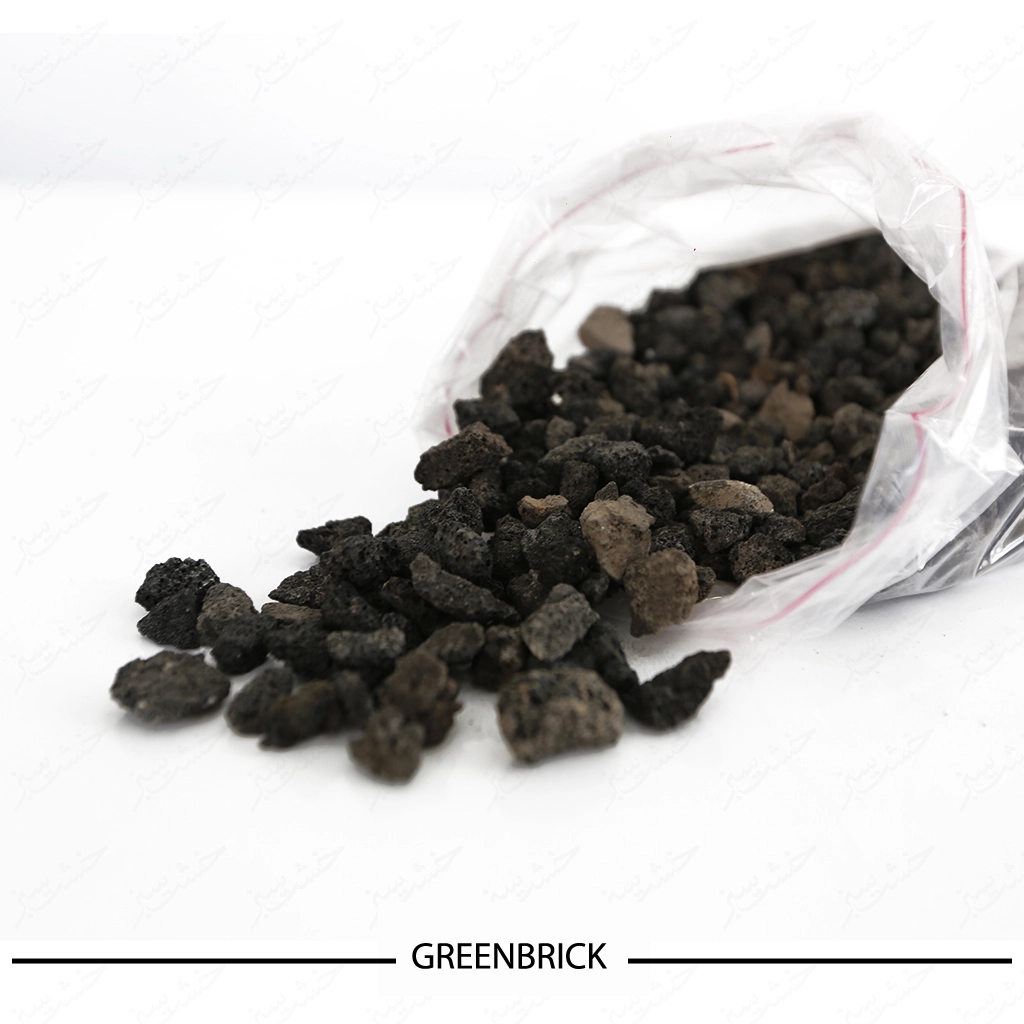
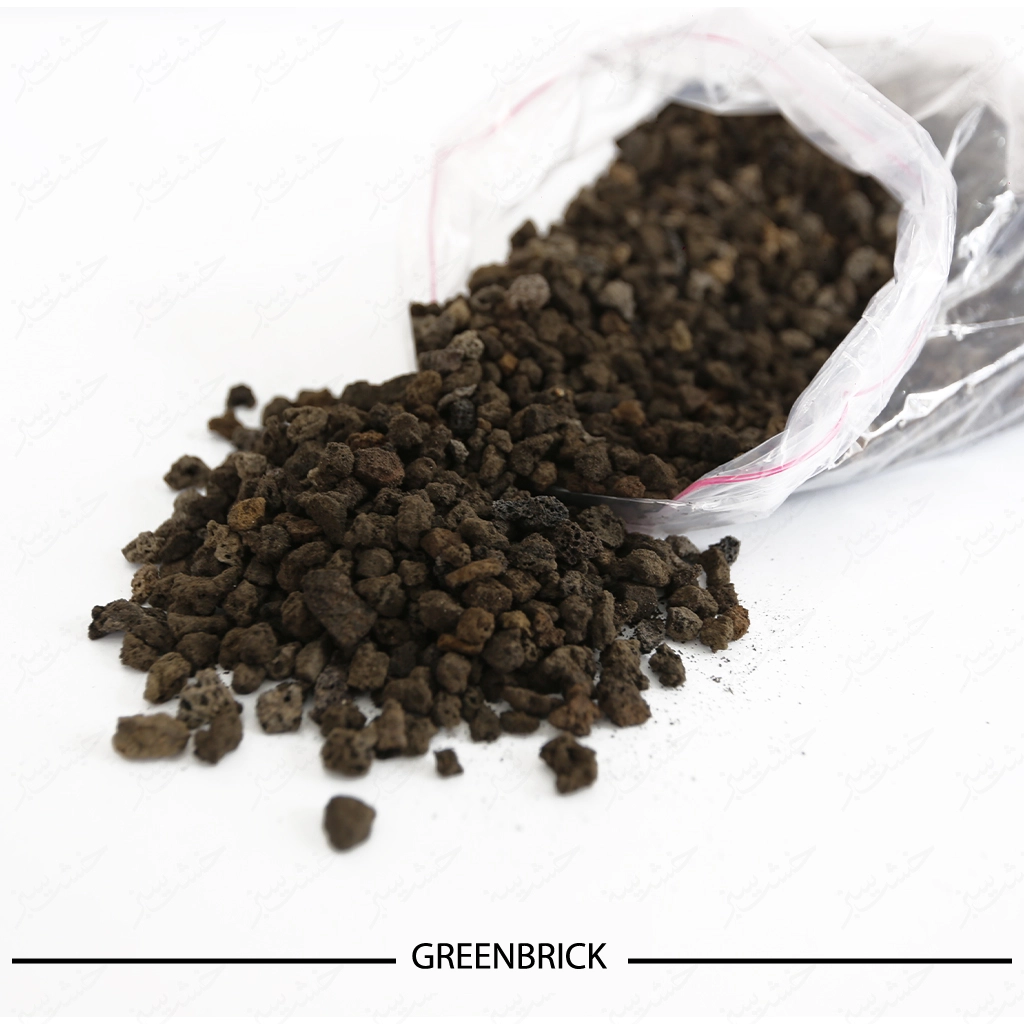
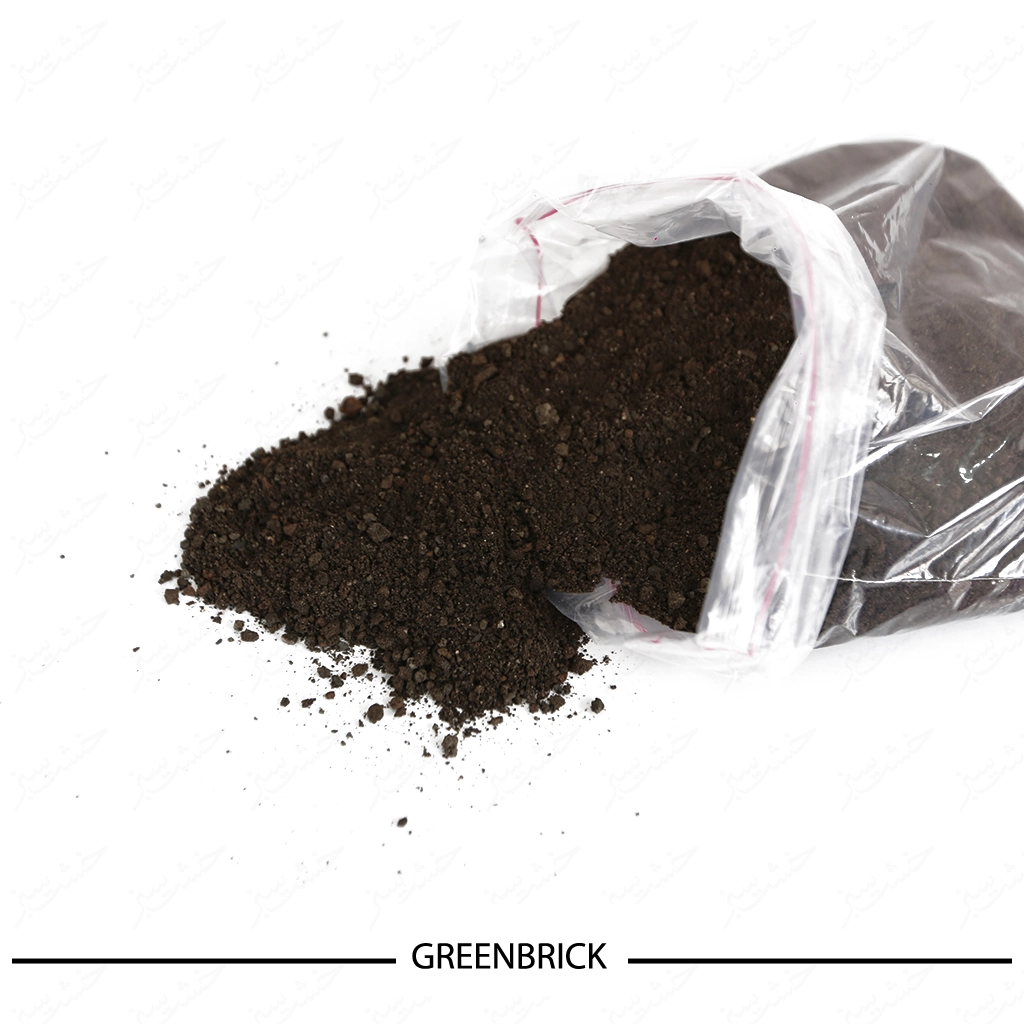
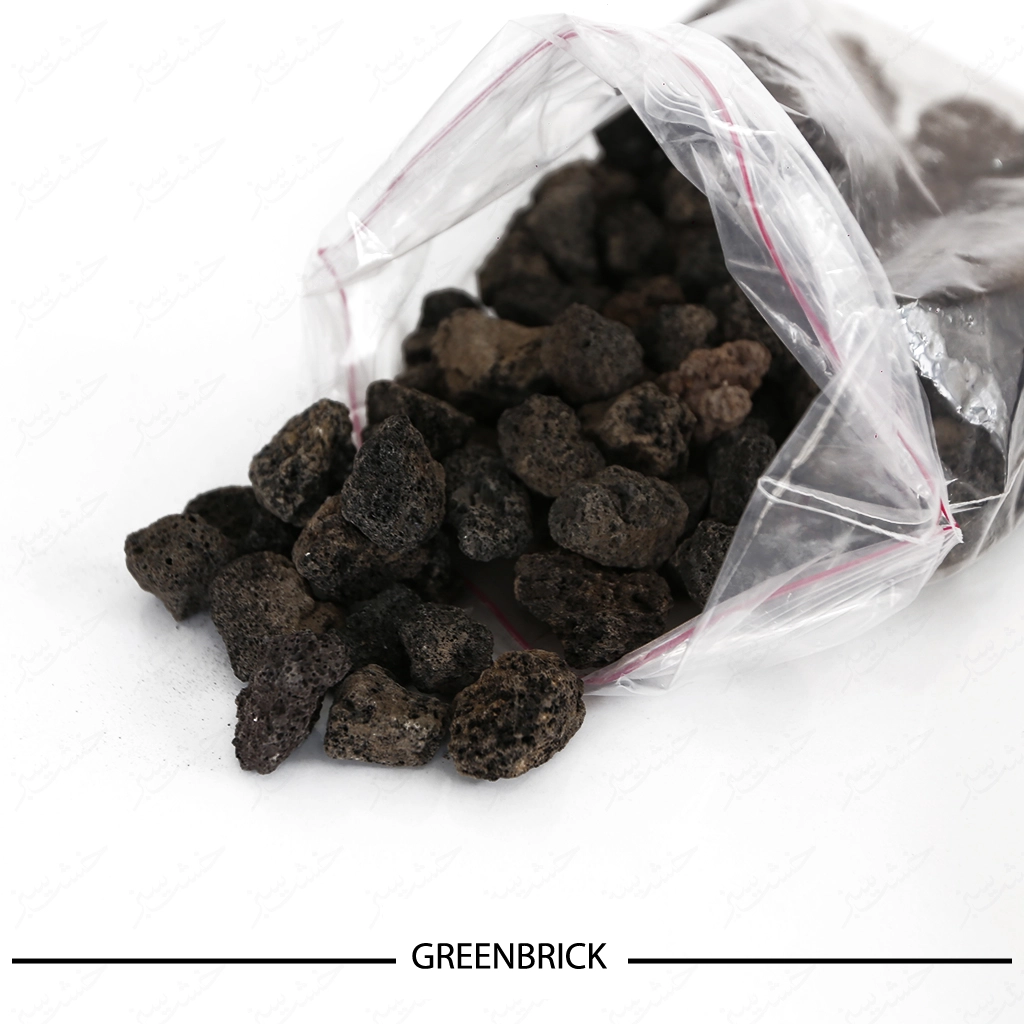
Mineral pumice is formed by the cooling of volcanic lava and the release of gases within it. This process creates a porous and lightweight structure in the pumice. Pumice grains are usually colored white, light gray, and cream, and are very light. This lightness is one of the most important reasons for pumice’s popularity in the construction industry, as it greatly reduces the overall weight of the structure.

pumice
pumice
pumice
pumice
pumice
Why buy from "GRSSNBRICK"? A different experience in supplying modern materials
In the competitive market of building materials, the brand GRSSNBRICK is not just a seller, but a strategic partner for your construction projects. Our commitment to quality and sustainability is the reason why the country's top builders choose GRSSNBRICK as their first choice. Outstanding features and benefits of working with GRSSNBRICK: Quality and standard guarantee: All blocks supplied by GRSSNBRICK have valid technical approvals and comply with Iranian Standard 8510. We guarantee quality in every pallet. Advanced production technology: Our products, utilizing fully automated production lines and a precise autoclave curing process, offer the highest dimensional accuracy (no warping or deviation). Free expert consultation: The technical team at GRSSNBRICK is with you from the calculation of required quantities to training executive teams on using adhesives and wall ties. Fast logistics and delivery: Using a dedicated transportation network, your orders are delivered to the project site in the shortest possible time with secure packaging (standard palletizing). Competitive price: Eliminating intermediaries and direct factory supply allows GRSSNBRICK to offer the best price-to-quality ratio in the AAC block market.
Frequently Asked Questions about Mineral Pumice
Mineral pumice is a volcanic, granular material that is light due to its high porosity and is used in construction for lightweight concrete, lightweight blocks, and insulation.
- Lightweight: Typically lighter than ordinary stone (about 30% to 60% lighter in similar applications).
- High porosity: Increases thermal and acoustic insulation.
- Fire resistance: Mineral pumice is among heat‑resistant materials.
The most common classification is based on grain size:
- Fine: approximately 0 to 3 mm
- Medium‑fine: approximately 3 to 10 mm
- Coarse: approximately 10 to 20 mm
The choice of size depends on the application (blocks, concrete, filler, sub‑base).
Depending on the project, typical applications include:
- Lightweight concrete (usually with a ratio of approximately 1 to 2 times the volume of sand/gravel in the mix, depending on the plant formulation)
- Lightweight mortar and plaster (mixed with other materials according to instructions)
- Lightweight cement blocks (to reduce block weight)
- Filler and sub‑base (e.g., under floors or infill walls)
- Thermal and acoustic insulation (in filler layers or lightweight mixes)
- Roof slope screed (lightweight, reducing dead load)
Yes. Because of its porosity, air is trapped inside the grains, reducing heat transfer. In practice, using pumice in filler layers and lightweight concrete/mortar can reduce heating and cooling energy consumption.
The exact amount depends on the jobsite formulation, project goal, and type of application. However, for initial guidance:
- For lightweight concrete, typically about 30% to 60% of the mix volume is replaced with pumice grains (the exact ratio depends on the mix design).
- For lightweight mortar, the amount of pumice is usually less than in concrete and is adjusted according to instructions.