Notice: Function _load_textdomain_just_in_time was called incorrectly. Translation loading for the duplicator domain was triggered too early. This is usually an indicator for some code in the plugin or theme running too early. Translations should be loaded at the init action or later. Please see Debugging in WordPress for more information. (This message was added in version 6.7.0.) in /home/ovfyyapv/public_html/wp-includes/functions.php on line 6170

Notice: Function _load_textdomain_just_in_time was called incorrectly. Translation loading for the woocommerce domain was triggered too early. This is usually an indicator for some code in the plugin or theme running too early. Translations should be loaded at the init action or later. Please see Debugging in WordPress for more information. (This message was added in version 6.7.0.) in /home/ovfyyapv/public_html/wp-includes/functions.php on line 6170
Silica Brick – Greenbrick

Silica Brick (Calcium Silicate Brick)

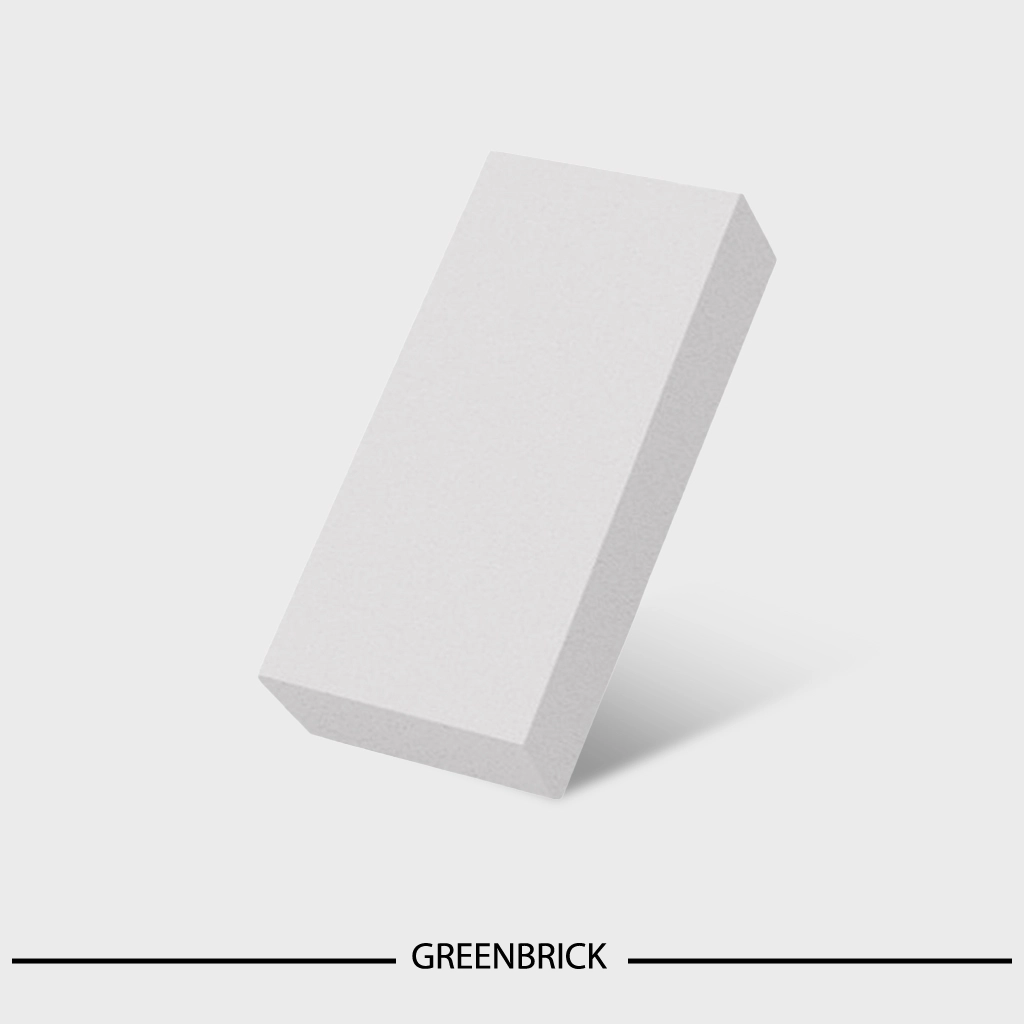
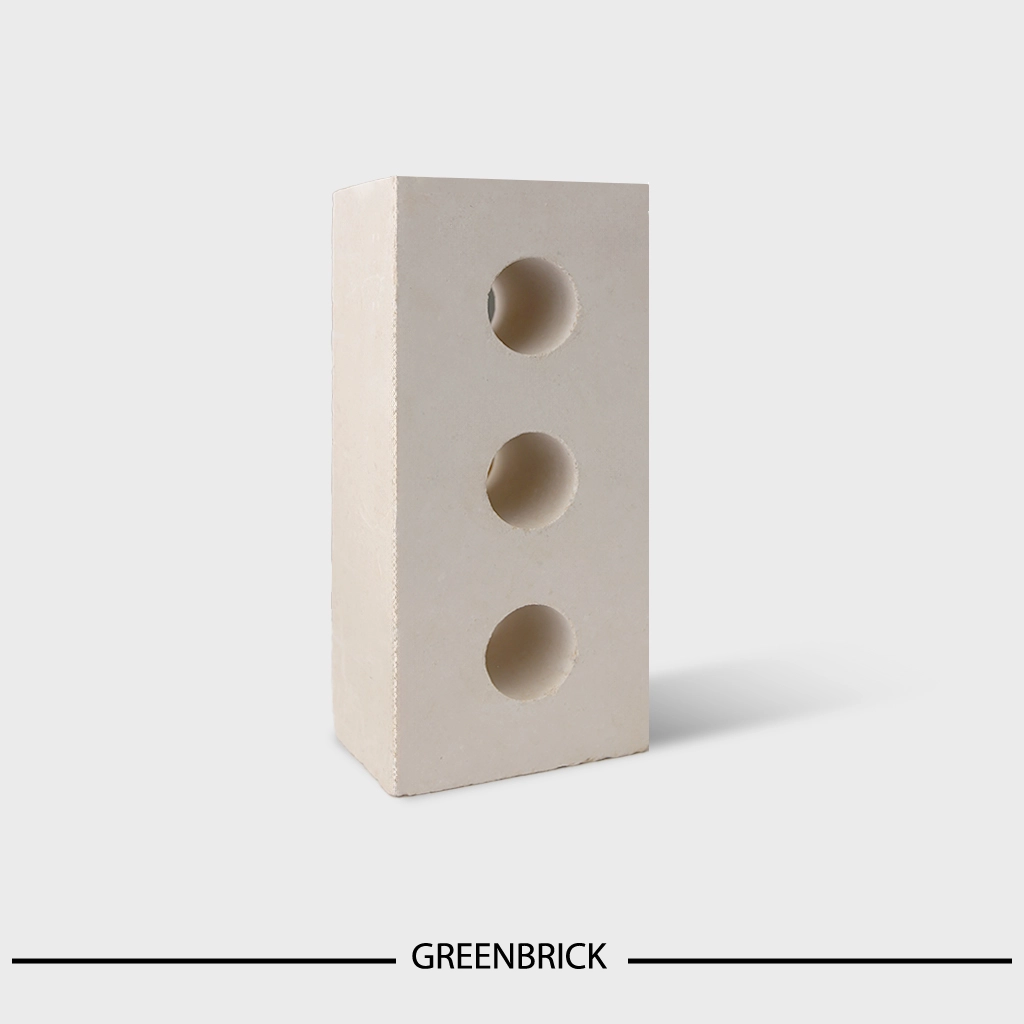
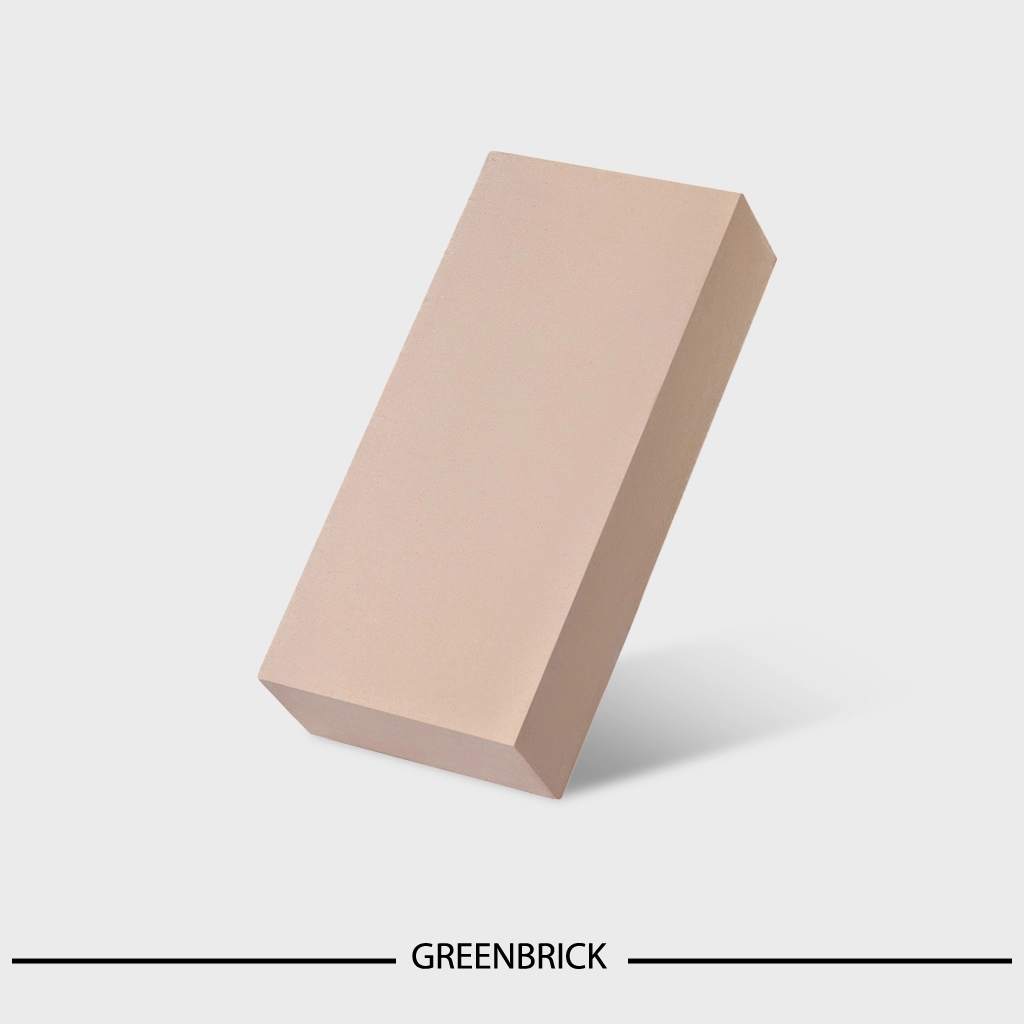
Silica brick, also known as calcium silicate brick (or sand-lime brick), is a type of construction brick produced from a mixture of silica sand, lime, and water. Due to its specific structural and physical properties, this brick has gained attention in construction projects and is particularly suitable for use in exterior facades and interior walls.

Purchase and Price of Various Models of Silica Bricks (Sand-Lime Bricks)

To view the price and calculate the required quantity, click on the desired product.


Examples of projects executed with silica brick:

Advantages of silica brick

History of silica brick

Silica brick, invented and patented in 1880 by Dr. Wilhelm Michaelis, is the result of combining silica and lime in the presence of pressurized steam. This innovative manufacturing method first spread industrially in Germany, and by 1904 production had moved to Britain. Due to the many unique properties of silica brick, its production quickly reached a global level, and it is now manufactured in parts of Europe, Australia, America, and Middle Eastern countries.

Raw materials of silica brick

Silica brick is produced from sand, lime, and water – all natural and readily available materials. This brick is a suitable option for external applications as well as protected internal walls, and is available in two types: decorative facing brick and ordinary brick. The main raw materials are fine‑grained silica sand, high‑calcium lime, and water. Additionally, stable and inert pigments are used to create different colors.

Silica

In the production of sand‑lime brick, silica plays two important and different roles, each requiring specific properties. Part of the silica chemically reacts with lime to form calcium silicate bonds, which are the main bonding agent in the brick. At the same time, the remaining silica grains form the main structure and volume of the brick, bonding together as the body of the brick.

Therefore, the portion of silica that is to chemically combine with lime needs to be very finely graded. If silica with such fine grading is not available, coarser silicas must be milled to the required sizes to ensure the final quality of the product.

Lime

Although the amount of lime used in making silica brick is relatively small, its quality has a significant effect on the final result. Before the pressing and shaping process, it must be ensured that the lime is fully hydrated. If not fully hydrated, the lime expands during steaming, creating internal stresses in the brick structure that can lead to cracking and collapse.

Production process of silica brick

First, the raw materials are mixed in specific proportions and injected into molds under considerable mechanical pressure. After this stage, the molds are fired in steam autoclaves under high pressure, a process lasting several hours, which causes the lime and silica to combine chemically to form calcium silicate; this compound creates a strong bond and a robust structure in the brick.

Silica brick, having high density, offers good sound insulation and can easily be used to construct thin, sound‑absorbing internal walls. It also has high thermal storage capacity, which helps regulate and balance indoor temperature and increases building energy efficiency.

Steps in producing sand‑lime brick

  1. Mixing silica and lime
    In the first step, a precise amount of fully hydrated lime is added to silica sand, and the two materials are carefully mixed. This is one of the most important parts of silica brick production, because the final quality depends heavily on how well these two are combined. To achieve a high‑quality product, the raw materials must be mixed completely and uniformly so that lime and sand are in full contact, allowing the chemical reaction between them to occur easily. Also, uniform distribution of sand particles reduces voids and increases brick density.
  2. Adding water and conditioning
    In this stage, sufficient water is added to the silica‑lime mixture to achieve a consistency that will maintain strength and cohesion during the molding process. After adding water, the mixture must be kept in a special tank for 8 hours to best prepare it for the shaping process.
  3. Pressing and shaping
    After the conditioning stage, the mixture is transferred to the press. This stage gives the brick its final size and shape, and also facilitates the chemical reaction between silica and lime by increasing contact between the particles. This pressure also reduces the void ratio in the brick, producing a final product with high density and strength. The amount of pressure applied directly affects the final strength of the brick and does not change its shape or size.
  4. Transfer and autoclaving
    After pressing, the freshly shaped bricks are carefully removed from the press table and stacked on carts. At this stage, the bricks are very fragile and vulnerable, requiring special care. Then, the carts enter the autoclave where the bricks are fired under 12 bar steam pressure. This firing causes a chemical reaction between the lime and part of the silica, ultimately forming calcium silicate – a material that acts as a binder between silica particles and improves brick strength.
  5. Packaging and shipping
    After complete firing, the bricks are moved to the warehouse and prepared for packaging. Since proper packaging, especially during transport and before installation, plays an important role in maintaining brick quality, this stage is fully automated using wooden pallets so that the product reaches its destination in ideal condition.

By carefully following these steps, silica brick becomes a strong, durable product suitable for construction projects.

Technical specifications of silica brick

Compressive strength 200 kg/cm²
Water absorption rate 17 to 19%
Specific gravity

4×18×18 brick: 1.67 g/cm³

5×10.5×22 brick: 1.70 g/cm³

Advantages of silica brick

  • High strength: The unique structure of silica brick makes it one of the most resistant building materials, making it ideal for various applications.
  • Effective sound insulation: Good sound insulation is a basic need in residential and working spaces. Compared to other materials, silica bricks of the same thickness provide better sound insulation, increasing acoustic comfort and reducing environmental noise.
  • Fire resistance: Due to its raw materials and production method, silica brick is fire‑resistant up to 600°C, making it a safe and suitable choice for interior and exterior walls as well as partition walls.
  • Moisture regulation: Silica brick plays an effective role in creating a healthy indoor atmosphere by regulating humidity. It can absorb excess moisture and release it gradually when indoor humidity drops, which helps reduce the likelihood of mold formation and creates a healthier environment.
  • Economic efficiency: Because of its uniformity in size and shape, silica brick is easy to install and, with minimal waste during installation, has become an economical and optimal choice.
  • High compressive strength: Producing silica brick under high temperature and pressure significantly increases its resistance to compressive forces, making it fully suitable for use in retaining walls and basements.
  • Aesthetic appearance: Silica bricks have a beautiful, uniform appearance due to their regular shape and precise dimensions. With its natural white color and the ability to combine with various pigments, it can be produced in a variety of colors, contributing to architectural beauty.
  • Not degraded by soluble salts: Unlike many building materials that are damaged by soluble salts, silica brick contains no such salts. Moreover, over time it gradually becomes stronger by reacting with atmospheric carbon dioxide, gaining additional strength.
  • Use in humid areas: According to Section 8 of the Iranian Engineering Code, the use of silica brick for foundation walls in humid grounds is recommended and mandatory, confirming this material's suitability for wet conditions.

Other benefits of sand‑lime brick:

  • Low thermal conductivity, which helps reduce heat exchange and save energy.
  • Very low shrinkage under different conditions.
  • Low maintenance cost and long life due to high strength.
  • Recyclable and reusable.
  • Ease and speed of installation, reducing construction time.

Installation patterns possible with silica brick

Sand‑lime bricks can be laid for flooring and walling in various patterns. In this section, several examples of wall and floor brick laying patterns using silica brick are presented.

Examples of wall brick laying patterns with silica brick

Silica brick wall pattern

Examples of floor brick laying patterns with silica brick

Silica brick floor pattern


Silica brick factory

The silica brick factory, one of the subsidiaries of Ardakan Glass Industrial Group, is built on a 15‑hectare site. A large part of this area consists of covered halls and advanced production lines, while another part is dedicated to product storage. With a daily production capacity of 500 tons of silica brick, this industrial unit can produce bricks in various dimensions and sizes, adjusting and supplying them according to the needs of the Iranian market.

Key objectives of silica brick production

Among the most important objectives of silica brick production are supplying durable and strong building materials within the country and creating variety in the appearance and structure of buildings using bricks of various shapes and colors. The factory also focuses on producing multi‑purpose products that, in addition to strength, can serve as building facade materials and are offered in different sizes and colors. Alongside meeting domestic needs, expanding export markets to neighboring countries and generating foreign currency are other strategic goals of this factory.

Price and purchase of silica brick

As one of the main suppliers of silica brick, GRSSNBRICK Company offers its products to customers with high quality and competitive prices. The price of silica brick is determined by factors such as dimensions, color, and order volume, and the company’s product variety meets the needs of various construction and facade projects. Customers can benefit from expert consultation from GRSSNBRICK specialists to make the best choice for purchasing silica brick according to their project budget and needs, and also enjoy after‑sales services.


Frequently Asked Questions

Silica brick is a type of building brick made from silica sand (about 90%) and quicklime (8 to 10%). These bricks are hardened in high‑pressure steam autoclaves and have high strength and dimensional accuracy.

Silica brick compared to pressed clay brick:

  • Lighter and more precise in dimensions.

  • Higher compressive strength (about 2 to 3 times).

  • Its appearance is whiter and more uniform.

  • But it has a higher price and requires special sand‑lime mortar.

Yes, due to its high strength, low water absorption, and durability against weather conditions, silica brick is an excellent choice for constructing shed walls, industrial halls, and warehouses.

The natural color of this brick is off‑white to grayish, but in industrial production it can be produced with mineral pigments in colors such as cream, yellow, or light red.

The weight of each brick varies depending on its dimensions, but on average it is between 3 to 3.5 kg.
The specific gravity is about 1800 to 2000 kg/m³.

Standard dimensions of silica brick typically include:

  • 25×12×7 cm (standard wall size)

  • 25×12×6.5 cm

  • 25×12×5 cm (partition brick)

Yes, this brick naturally has moderate thermal and acoustic insulation.
If used together with sand‑lime mortar and an intermediate insulator (rock wool or AAC), its thermal and acoustic performance multiplies.