Notice: Function _load_textdomain_just_in_time was called incorrectly. Translation loading for the duplicator domain was triggered too early. This is usually an indicator for some code in the plugin or theme running too early. Translations should be loaded at the init action or later. Please see Debugging in WordPress for more information. (This message was added in version 6.7.0.) in /home/ovfyyapv/public_html/wp-includes/functions.php on line 6170

Notice: Function _load_textdomain_just_in_time was called incorrectly. Translation loading for the woocommerce domain was triggered too early. This is usually an indicator for some code in the plugin or theme running too early. Translations should be loaded at the init action or later. Please see Debugging in WordPress for more information. (This message was added in version 6.7.0.) in /home/ovfyyapv/public_html/wp-includes/functions.php on line 6170
Dropped Ceiling – Page 3 – Greenbrick
Examples of completed projects with suspended ceilings

Advantages of suspended ceilings

Purchase and price of various suspended ceilings

A suspended ceiling is one of the most popular methods for designing and beautifying interior decoration, offering both aesthetic appeal and various functional benefits. Using a suspended ceiling allows wiring, pipes, and utilities to be hidden, provides better acoustic and thermal insulation, and gives the space a modern, tidy appearance.

Types of suspended ceilings

  • Drywall (Gypsum board) suspended ceiling: Lightweight, fast to install, suitable for modern spaces.
  • PVC suspended ceiling: Moisture‑resistant and washable, an excellent choice for kitchens and bathrooms.
  • Acoustic suspended ceiling: Ideal for conference halls, cinemas, and office spaces due to noise reduction.
  • Plaster suspended ceiling: Economical, durable, and widely used in construction.

Benefits of suspended ceilings

  • Conceals utilities and wiring
  • Reduces energy consumption due to insulation
  • Variety of designs and colors to match décor
  • Allows hidden and modern lighting

Applications of suspended ceilings

Suspended ceilings are used in residential homes, office buildings, restaurants, conference halls, and even commercial spaces such as shops. With different materials and various designs, they can give any space a unique look.

Important tips for choosing a suspended ceiling

  1. Suitable material: Choose material according to environmental conditions (e.g., humidity or temperature).
  2. Budget: Consider installation and maintenance costs.
  3. Decoration style: Ensure the suspended ceiling harmonizes with the overall space design.
  4. Lighting: Plan for hidden or decorative lighting.

Essential components of a suspended ceiling

  • L‑shaped angle (L): Used to hold the edges of the ceiling and attach it to the wall.
  • T‑bar (suspended ceiling grid): The main supporting grid of the suspended ceiling on which the panels rest.
  • Hangers (wire or hook): To connect the metal ceiling grid to the main building structure.
  • Metal lath or mesh: A base for plastering and creating different designs.
  • Screws and fasteners: To secure panels and profiles.
  • Sealing tape and mastic: To fill joints and create a smooth surface before painting.Benefits of using standard components
    • Increased durability and strength of the suspended ceiling
    • Faster and trouble‑free installation
    • Prevents cracking or detachment of panels
    • Provides a smooth, uniform surface for design and painting
    Buy suspended ceiling components at the best price In our store, you can purchase all suspended ceiling installation accessories – including T‑bars, angles, hangers, screws, sealing tape, etc. – at reasonable prices. Using standard components guarantees the quality of your project execution. A suspended ceiling not only improves the beauty of a space but also enhances the functionality and efficiency of the environment. Consulting with interior design experts is recommended to choose the best type of suspended ceiling.

    Components and parts of a suspended ceiling

    For a standard and professional suspended ceiling installation, using the right components and materials is very important. These parts together create a strong structure responsible for supporting, beautifying, and performing the technical functions of the ceiling.

    Profiles

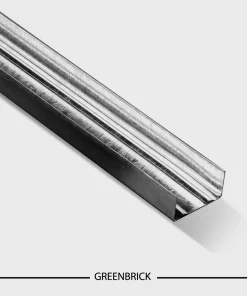
    Profiles form the main skeleton of the suspended ceiling, bearing the weight and creating the supporting grid. ▪ T‑bar Used in gypsum tile ceiling systems, it provides a regular grid for placing tiles. ▪ L‑shaped angle (L) Used to attach the edges of the suspended ceiling to the wall, stabilizing and strengthening the sides of the structure. ▪ F47 / U36 (in drywall systems) These profiles are used in drywall ceiling and wall construction and play a key role in the substructure of gypsum boards.

    Fasteners and tools

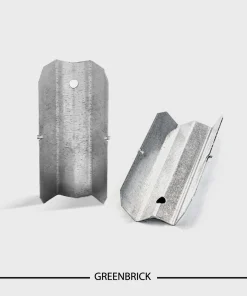
    This section includes parts used for connecting, holding, and correctly installing the suspended ceiling structure. ▪ Hanger Its job is to connect the suspended ceiling structure to the main building ceiling; it is very important for height and level adjustment. ▪ Screws and fasteners Used to connect profiles and secure plaster or gypsum boards; they play a major role in final strength. ▪ Nails and pins Used for quick and secure installation of some substructure components to concrete ceilings or walls.

    Covering materials

    This section includes the final layer of the suspended ceiling, which determines the final appearance and functional performance of the space. ▪ Gypsum tile The most common option for grid ceilings, placed modularly on the metal frame. ▪ Gypsum board (RG / MR) Drywall panels produced in standard (RG) and moisture‑resistant (MR) versions. ▪ PVC panels Lightweight, waterproof, washable panels mostly used in humid spaces such as kitchens and bathrooms. Benefits of using standard components Using standard components in suspended ceiling installation plays a very important role in the final quality of the project, increasing durability, safety, and aesthetics.
    • Increased durability and strength Using standard profiles and fasteners increases overall ceiling resistance and prevents sagging or deformation over time.
    • Fast and precise installation Standard parts are designed to work together, which increases installation speed and execution accuracy.
    • Prevents cracks and damage High‑quality materials prevent future cracks, breakage, or tile detachment.
    • Smooth and uniform final surface Professional execution with standard components creates a perfectly level, beautiful, and professional ceiling finish.
    Important tips for choosing a suspended ceiling To choose a suitable suspended ceiling, several important factors must be considered so that the final result is completely satisfactory both aesthetically and functionally.
    • Environmental conditions (humidity, temperature) In humid spaces like bathrooms or kitchens, moisture‑resistant materials must be used.
    • Project budget Material, installation, and maintenance costs should align with the planned budget.
    • Space usage type The type of ceiling differs for residential, office, or commercial spaces and should be chosen based on use.
    • Harmony with interior design The color, design, and material of the ceiling should match the interior decoration style to maintain space harmony.
    • Lighting type The possibility of hidden or decorative lighting must be considered from the ceiling design stage.
    Buying guide for suspended ceilings Choosing the right suspended ceiling requires careful examination of several key factors to achieve the best result in terms of both quality and cost.
    • Choose the right material Depending on project needs, you can use drywall, PVC, plaster, or other materials.
    • Check quality and brand Using reputable brands increases useful life and reduces installation issues.
    • Compare prices Before buying, compare prices of various suspended ceilings according to quality and features.
    • Choose a professional installer Proper installation is as important as material quality and should be done by a specialist.
    • Assess project requirements The ceiling type must be chosen precisely based on environmental conditions and usage needs.
    Suspended ceiling price The price of a suspended ceiling depends on various factors and a fixed number cannot be set. Knowing these factors helps you make a better choice.
    • Factors affecting price (material, installation, area) Material type, installation quality, and project area are the most important price determinants.
    • Price differences among ceiling types PVC ceilings are generally more economical, while drywall or acoustic ceilings cost more.
    • Cost reduction tips Choosing appropriate materials, buying directly, and selecting a professional installer can reduce the final project cost.

Frequently Asked Questions (FAQ)

A suspended ceiling is a covering installed below the main ceiling of a building. Besides aesthetics, it is used to hide utilities (wiring, piping, HVAC) and improve acoustic and thermal insulation.

Common types of suspended ceilings include:

  • Plaster (drywall) suspended ceiling

  • PVC suspended ceiling

  • Aluminum suspended ceiling

  • Plexiglass (acrylic) suspended ceiling

  • Wooden or MDF suspended ceiling

  • Grid ceiling (gypsum or mineral tile)

PVC and aluminum suspended ceilings are the best choice for spaces like bathrooms, restrooms, and kitchens due to their high moisture resistance.

Yes, but the reduction is typically between 10 and 20 cm. This height reduction is worthwhile for benefits such as insulation, hidden lighting, and decorative appeal.

A drywall (gypsum) ceiling is usually installed as a continuous surface and has a more modern look, while a tile ceiling consists of individual panels that can be easily opened and closed for repairs or access to utilities.

Depending on the material and environmental conditions, the lifespan of a suspended ceiling is between 10 and 20 years. Proper maintenance and avoiding excessive humidity can extend its life.

Yes, suspended ceilings can also be installed in older buildings and can even be used to cover cracks or unevenness in the main ceiling.

Yes, this is one of the major advantages of suspended ceilings. Hidden lighting (halogen, LED, linear) can be installed recessed or decoratively.

The price of a suspended ceiling is calculated based on material type, area, desired design, and installation cost. Generally, PVC and tile ceilings are more economical, while decorative plaster ceilings are more expensive.

Choosing the type of suspended ceiling depends on space usage (residential, office, commercial), budget, environmental conditions (humidity, heat), and interior decoration style.