





Tile and ceramics are among the most popular building materials due to their sturdy structure and unparalleled variety. However, like any other material, they come with both strengths and limitations.
For a better understanding, it is important to know that ceramics are actually a type of tile fired at higher temperatures, resulting in greater density. That is why they are typically used for flooring, while tiles have lower density and weight, making them more suitable for walls.
In the following sections, we will examine the features, advantages, and disadvantages of these products.
Key Features of Tile and Ceramics
-
Base Structure: Made from a mixture of clay, sand, and minerals, fired in high-temperature kilns.
-
Glazability: Can be glazed (glossy, matte, patterned) or unglazed. The glaze acts as a protective glass-like layer.
-
Thermal Resistance: Due to firing in extremely hot kilns, they are inherently resistant to high temperatures and thermal shocks.
Classification of Tile and Ceramics
To make an informed choice, you first need to know which category your desired product falls into:
1. Based on Installation Location and Application
-
Wall Tiles: Thin, lightweight, with higher water absorption. Suitable for bathrooms, toilets, and kitchen backsplashes.
-
Floor Tiles and Ceramics: Thick and resistant to pressure and foot traffic. Includes options for reception areas, parking lots, and commercial spaces.
-
Facade and Outdoor: Resistant to freezing, direct sunlight, and rain.
-
Pool: Resistant to chlorine and chemicals.
-
Stair: Feature reinforced edges and anti-slip surfaces.
-
Between-Cabinet: Stylish and special designs for kitchen aesthetics.
2. Based on Body Material (Quality)
-
Red Clay: Economical, high water absorption, suitable for dry, low-traffic areas.
-
White Clay: Medium to good quality, similar to porcelain.
-
Porcelain (China): Water absorption below 0.5%, ultra-resistant to wear, stains, and impact. The best choice for luxury and high-traffic spaces.
3. Based on Size and Appearance
-
Slabs: Very large sizes (120×240 cm and larger) for a seamless, modern look.
-
Miniature: Small sizes (5×5 or 10×10 cm) for small spaces or decorative patterns.
-
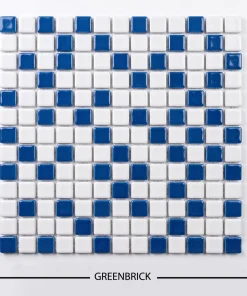
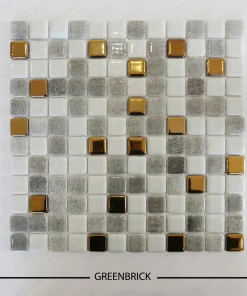
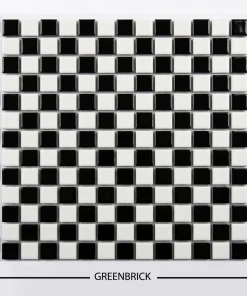
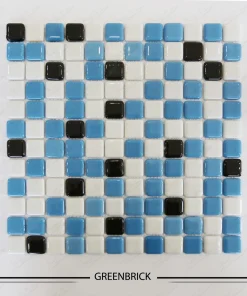
Ceramic Mosaic: Small pieces mounted on mesh, suitable for curved surfaces and columns.
4. Based on Quality Grade
-
First Grade: No visual or dimensional defects, suitable for export and luxury projects.
-
Second and Third Grade: Minor defects (scratches or tiny spots), economical options.
Advantages of Tile and Ceramics
-
Long Lifespan and High Durability: With proper installation and care, they last for decades without quality loss.
-
Moisture Resistance: Ceramics (especially porcelain) have very low water absorption, making them the best choice for wet areas like bathrooms, pools, and kitchens.
-
Hygiene and Easy Cleaning: Their dense surface prevents penetration of dust, bacteria, and allergens. They are easily cleaned with a damp cloth and mild detergents.
-
Infinite Variety: Available in every color, size, and texture. Digital printing technology allows precise simulation of wood, marble, and concrete on ceramic surfaces.
-
Fire Resistance: Completely non-combustible material that does not emit toxic gases in the event of a fire.
-
Eco-Friendly: Made from natural raw materials found in the earth and are recyclable.
Disadvantages and Limitations of Tile and Ceramics
-
Hard and Cold Surface: Standing on ceramic surfaces for long periods can cause foot and joint fatigue. They also become very cold during colder seasons (unless underfloor heating is used).
-
Heavy Weight: They are heavy materials that increase the dead load of the building. Their weight also makes transportation and installation on upper floors more difficult.
-
Slipperiness: Glossy glazed ceramics become extremely slippery and hazardous when wet, making them unsuitable for bathroom floors or pool surrounds.
-
Vulnerability to Point Impact: Despite high resistance to pressure, dropping a heavy or sharp object (like a hammer or cast iron pot) can cause cracking or chipping.
-
Grouting Issues: The lines between tiles (grout joints) are prone to absorbing dirt and discoloration, requiring regular cleaning and occasional maintenance.
-
Professional Installation Required: Unlike laminate or carpet, tile and ceramic installation requires perfectly leveled subflooring, specialized mortar or adhesive, and a professional installer—a time-consuming and messy process.
Frequently Asked Questions
Technically, ceramics are a type of tile fired at higher temperatures, resulting in greater density. Ceramics (especially porcelain) have much lower water absorption, making them more suitable for flooring. Meanwhile, standard tiles are lighter and thinner, making them ideal for walls. Neither is absolutely superior; it depends entirely on the application.
Never buy glossy ceramics for bathroom or kitchen floors! Glossy surfaces become extremely slippery and dangerous when wet. For these spaces, always choose floor ceramics with matte, textured, or anti-slip surfaces (with a high friction coefficient). Glossy tiles are only suitable for walls.
Pay attention to two key points: 1) Quality grade (first grade is the best option). 2) The abrasion resistance rating (PEI scale), which is printed on the packaging. For standard residential spaces, PEI 3 or 4 is sufficient. For entrances and high-traffic commercial areas, choose PEI 5.
It is technically possible, but strongly not recommended unless the existing surface is perfectly flat, crack-free, and has high adhesion. The best and most professional approach is to remove the old ceramic and redo the subfloor; otherwise, the new ceramic will likely crack or lift (hollow) over time.
Contrary to popular belief, large-format tiles (60×120 cm or slabs) actually make small spaces look larger by reducing the number of grout lines, creating a seamless and modern effect. Miniature tiles (10×10 cm) are more decorative than practical.
The best solution is to use epoxy tile grout (two-component) instead of regular sand and cement. Epoxy grout is completely waterproof, stain-proof, and antibacterial, and it never discolors. It is slightly more expensive, but it is highly cost-effective in the long run.